TRAVEL SAFETY BRIEFING
This section provides a brief overview of key things to consider when you will be traveling for research, reporting or any journalistic work.
The following Top Tips, Gear List and Resources represent a brief introduction to these safety concerns for traveling while on editorial or news assignment. The information and resources are not comprehensive nor do they offer sufficient preparation for any war or conflict zone. We encourage you to review the more expansive list of resources in the keyword-searchable J-SOS Safety Resource Database.
Travel Top Tips
- Press Credentials
Consider the need and validity of press credentials while traveling
Do you need to register as a member of the press in the country you are visiting? (Consider also how this will impact your safety depending on a government that is friendly or unfriendly to news media.) Do you need to be issued a special type of credential or permits? Who else will have knowledge of your permitting? Keep two copies with you (print and digital) as well as make sure those documents are accessible to an editor, colleague or emergency contact in your home country. Depending on the length of stay, do you need to report any type of information to the host government? (residence in the country, contacts, etc.) How might that affect your safety and security?
- Identity/Cultural Awareness
Be aware of the laws and cultural sensibilities about photographing/filming in public and private spaces
Knowing the legalities is not the same as understanding local customs and relationships to being recorded. How you comport yourself as a journalist will impact how you are perceived and your relative level of danger.
- In-Transit
Consider your transit from the start to your final destination
Will you need a visa to your final destination? What documents do you need to apply for the visa? How long is the processing time? Will you need any form of permit to leave the country you are based in? (depending on immigration status) If you will have a connecting flight, does the intermediary country or airport require a different type of visa or travel permit? (i.e. Schengen area vs. visa to visit Britain) Do you need a specific special visa for connecting flights?
- Digital Security
Consider having a location finder on your phone, if another form of tracker is not possible
While this will be useful for others locating you in a crisis situation, you should also consider how a location finder app might negatively impact your security and its limitations. Will you always have access to cell service? What is the state of surveillance in the country you are visiting or while crossing borders? (consider this also for your communication plan)
- Digital Security
Avoid having too much personal info on your phone when traveling for journalistic work
Having a burner phone that has no information/data or photos/video that would give away personal info about you is ideal. It should also have only crucial communications apps. The phone and apps should not be linked to your accounts or your cloud (if it’s a smart phone). Consider creating “burner” accounts specifically for that device that will not compromise your safety or provide access to sensitive data.
- Wardrobe/Attire
Wear clothing appropriate to the cultural and natural environment
All clothes should be comfortable, breathable, and fitting to the weather Consider local attire, culture, and keeping your profile low in any particular space. Appropriate shoes would be close-toed, sturdy, no heels and soles with solid grip or traction.
- Identity/Cultural Awareness
What type of location-specific risks do you need to consider?
Have a basic understanding of the political situation in the nation, state, region, city, etc. and what those various factions and power structures might mean for your safety and your journalistic work. Have a basic understanding of the country’s socio-economic situation. Have a general knowledge about the country’s laws around gender, sex and sexuality, religion, clothing, etc. (Dating apps can help you research a country’s culture, LGBTQI+ laws, etc.)
- Communication Plan
Have multiple copies of a printed contact list
One that you keep on you somewhere you can quickly access + another copy somewhere secure in your lodging accommodation. Quick dial for emergency contacts (have an emergency text written and ready to be sent). Include international codes when saving contacts. Do not save sensitive contacts with their actual names (you can come up with a system that protects their privacy and identity that is also easy for you to recall under potential duress).
- Identity/Cultural Awareness
Consider how your perceived identity/identities might impact your safety profile in the location within and through which you are traveling
How might you be perceived by local citizens, law enforcement, etc. Do you have visible tattoos and what are they potentially suggesting about you?
- Digital Security
Consider what mobile apps are considered high profile
i.e. Signal is a secure app that is recommended, but it is important to research if, for example, Signal could increase your security profile in the eyes of local law enforcement or mark you as associated with activists, journalists, and other potentially targeted individuals.
- In-Transit
Consider in-country travel (local transport and roads)
What type of roads are there i.e. highways or single lane roads? What type of vehicle is more appropriate? (high profile vs. low profile) How is local public transportation in the area? What is your exit plan in the event of an emergency? What are the closest cities/towns/countries where you can get help? Do you know how to make your way to a planned exit route?
- Lodging
Plan your accommodation/lodging well ahead of time and be sure to research the space and its location thoroughly
Did you look up the different areas for accommodation? How many hotels are in the area? Is AirBnb an option? Which area will you have a higher safety profile vs. a lower profile? I.e. what does where you are staying in a particular city potentially broadcast about you? Depending on the length of your stay, will you need to change accommodation while you are there? (Consider exposure time)
- Press Credentials
Research the state of journalism and media in the country you are visiting
What is the perception about journalists who carry similar passports/nationalities in the country you are visiting? (i.e. are they more criticized and not welcomed, might this introduce security risks?)
- PPE
Consider PPE regulations, restrictions and local options
What PPE is allowed in the airport you will be traveling through? What PPE is allowed in the country you are going to? Did you look up trusted PPE places in the country you are visiting?
- First Aid/Medical
Be sure to travel with extra doses of any medications you require
Research any potential medications you might need while traveling, i.e. local names (brands) and substitutions: Names of medications might differ from one place to another, make sure to check in advance whether the different names are generic or not for the medications you might need.
- Communication Plan
Make a plan to communicate consistently and effectively with any colleagues, editors, emergency contacts, safety advisors or others you might need to check in with during your travel
Determine who your point(s) of contact are, how often you will check in, what method of communication you will use and what to do in the event of a communications failure i.e. power outage, no cell phone service. What is the channel or escalation to address a comms failure? Your key contacts should include: editors, safety/security point of contact, family/friend point of contact, emergency contact, lawyer, etc. and should be saved in a digital format to an accessible cloud and also needs to be saved and easy to dial on your phone.
Travel Gear Checklist
Gear List of safety-related travel items:
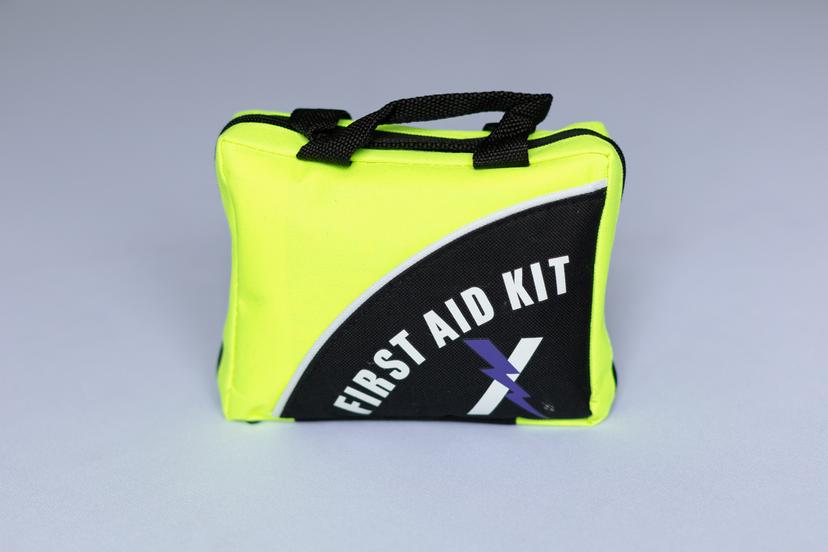
First Aid / Medical Kit
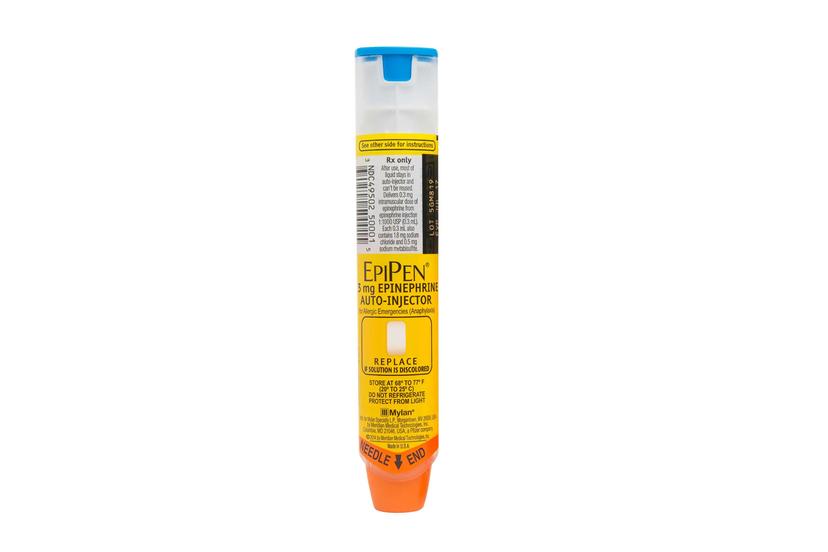
Epi-Pen(s)
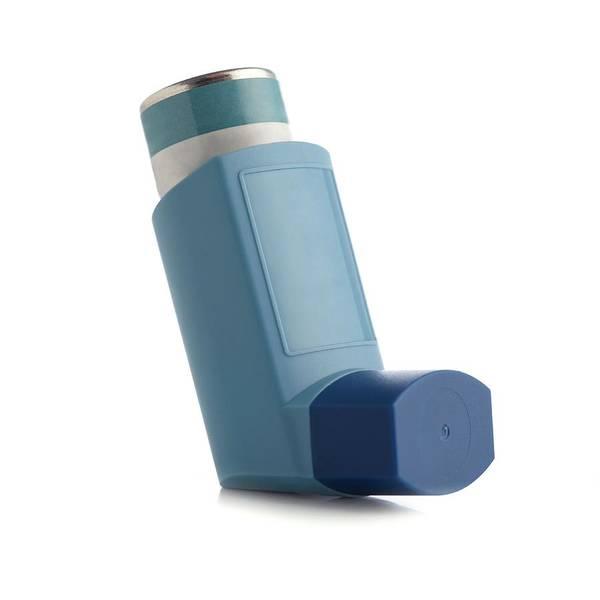
Asthma Inhaler
Burner Phone
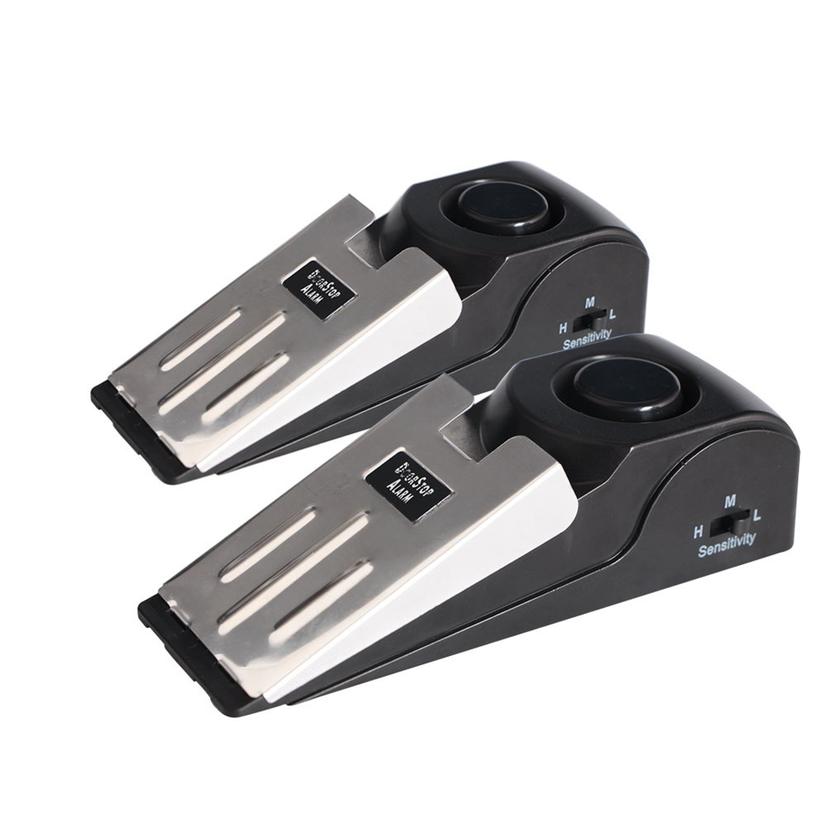
Door Stoppers
Water Bottle

Travel Food
ID / Credentials
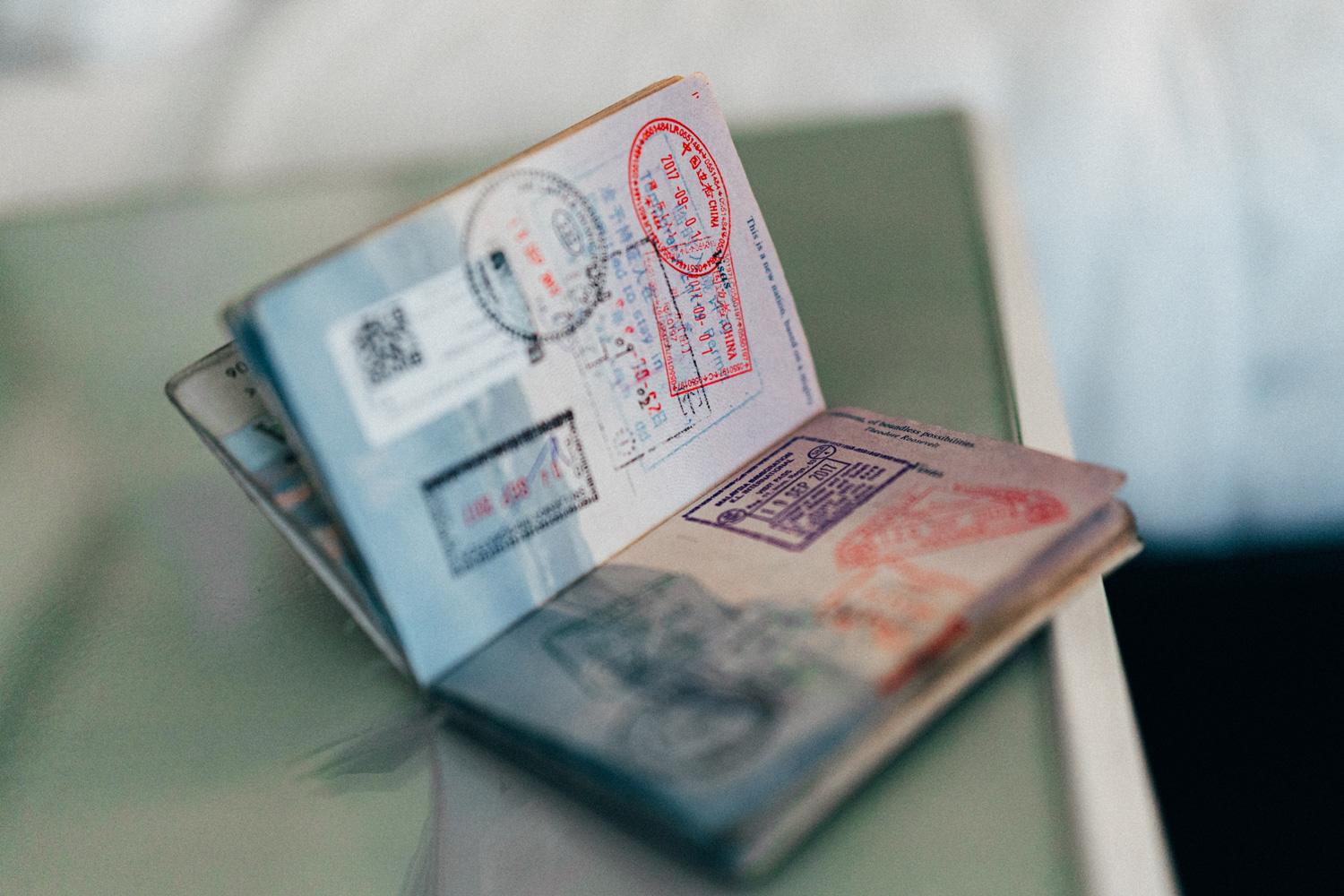
- Valid passport (Make sure it is valid for at least six months after the date of entry to any country. Make copies, a colored laminated one is especially helpful)
- Required Visas and other necessary travel permits
- Press credentials
- Identification documents (store multiple copies in different places)
Insurance
- Travel insurance
- Travel medical insurance
- Medical insurance
- Accidents and rescue insurance (depends on country)
- Evacuation insurance (depends on country)
- Insurance for equipment (cameras, lenses, recorders, laptop, phone, etc.)
PPE
Please see the PPE Guide for more information on how to find and use PPE correctly.
- First Aid/Medical kit
- -Allergy medication such as benadryl and loratadine
- -Birth control and emergency contraception (if needed)
- -KN95 masks / medical masks
- -Medical gloves
- -Antibiotics
- -Epi-pen(s)
- -Asthma inhaler
- Ballistic Vest (check international and country regulations)
- Helmets (check international and country regulations)
- Gas Masks (check international and country regulations)
- Eye protection/mask (shatter-proof)
- Antibiotics
- Epi-pen(s)
- Asthma inhaler
Communication
- Extra phone or burner phone
- List of emergency contacts (digital and print) *See Travel Top Tips for more specs on communication
- Satellite phone (if necessary)
- Tracking device (if necessary)
Additional Gear
- Door stoppers for hotels/airbnb (consider getting one with alarm)
- Menstrual hygiene products (bring extras)
- Condoms and other contraceptives or safe sex products
- Spare prescription contacts and prescription eyeglasses
- Any prescription medication (bring extra)
Travel Scenario
You are traveling from Spain to Egypt while working on a long term project about contested water borders as a freelance video journalist for a wire agency. You are traveling alone from the airport to the hotel you have booked but will be meeting another local journalist and a translator, both of whom you are unfamiliar with, at the hotel. The three of you will be working together for the week of the assignment.
- Are visas required? Are there local news orgs and political factions who may need to know you're in the country?
- Try to book a room on the second floor with two beds. Consider who has keys to the room and who knows where you’re staying? Use keyhole covers and door stoppers when in the room.
- Do you have trusted/vetted transport from airport to hotel? Be conscious of not talking on the phone while in taxis or giving away any key details about your lodging, assignment, etc. while among the general public.
- Who is driving the team for the assignment? What are your available comms while on assignment? Who will you be checking in with and how often? How remote are the locations you'll be traveling to in the region?
- What are the risks of the assignment (i.e. the key players of contested water sources?) *Review civil unrest briefing for more details on this
- Be aware of your high profile with camera gear. Avoid taking it out until necessary.
- Are there language barriers and how will you address that? Consider learning a few phrases in the local language, connecting with a translator and/or having a translation app ready on your mobile device.
- How do you engage the people you’re reporting on in ways that will support your safety? (i.e. informed consent, transparency about journalistic practices)